One of the most painful experiences as a parent is recognising patterns in your child that mirror the abusive behaviour of someone you worked so hard to leave behind. It can feel like history repeating itself and like you’re being retraumatised in your own home.
It’s a scary moment when you hear the same words that your ex used to say to you, coming out of your child’s mouth. Your child might use the same aggressive tone of voice, might use exactly the same adult language as your ex and even though they may be small, their body language may be full of aggression, intimidation and anger.
You might feel shocked, blindsided by this sudden outburst of behaviour from your previously loving child. You might question whether anything you have done has caused them to react like this and wonder if it was worth the pain of ending your abusive relationship, only to experience the abuse again from your own child…
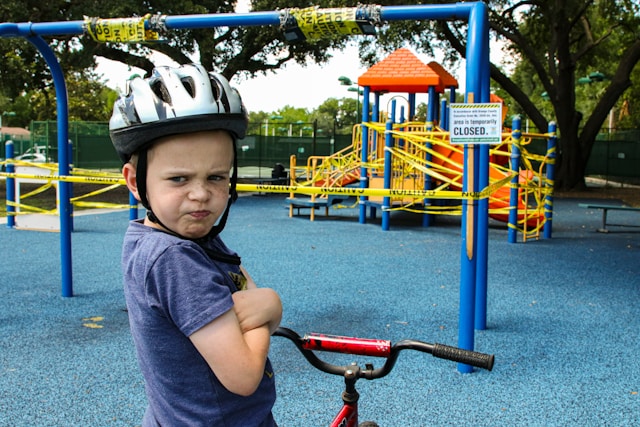
Why do children copy abusive behaviour?
*Because it’s what they learn – it often becomes normal to them – they become desensitised to it, as you probably did during the relationship, it’s what they know. If they were exposed to manipulation, anger, or control, they may mimic those behaviours. However, it does not mean they are destined to become a ‘carbon copy’ of your ex – remember they are children, there is still time to change those beliefs and attitudes into something more healthy.
*Because they are desperate for approval from the parent they don’t feel safe with – they copy their behaviour, hoping it will meet with their approval and that parent might be a bit nicer to them – might even love them..
*Boys might think this how all men should behave – they might take on those misogynistic perceptions and attitudes about roles in relationships, they might try to appear big and brave, even if they don’t feel it underneath. “If dad got his way through bullying, intimidation and acting all powerful, then perhaps it will work for me too..?”
*Because they feel safe with you – they feel big emotions but can’t always express them easily or articulate how they feel, so they let them out where they feel safest. They are like little pressure cookers, waiting to blow off steam.
So, what can you do to help your child?
- Separate the child from the behaviour.
Guide them towards kindness and praise their good choices. Encourage good behaviour, praise your child when they are kind. Children displaying abusive behaviour often feel confused, have low self-esteem and struggle with a sense of identity – help them see what they are good at, tell them what you love about them and help them see that they can control how they behave. - Address it quickly. Don’t ignore harmful behaviour. Set limits, explain why it’s wrong, and show healthier ways to act. Speak to them about how their behaviour might make others feel to help them develop empathy and help them understand the potential consequences if they continue to act in this way.
- Keep boundaries firm. Stay calm but clear – abusive behaviour is not acceptable. Consistent rules teach respect and create a sense of safety for children.
- Get support. Therapy or outside help can guide your child and give you tools to cope – you don’t have to do it alone. There’s no shame in this, using experts to help you both can ensure you break the cycle of abuse.
- Be kind to yourself. Feeling triggered by this behaviour is very normal. Look after your wellbeing, so you can respond with strength, you can keep calm and remember, none of this is your fault.
- Keep yourself safe. If your child is being physically abusive towards you reach out for support to organisations such as PEGS https://www.pegsupport.co.uk/
It can be terrifying to see echoes of your past abuse show up in your child. But it’s also an opportunity—to interrupt the cycle, to teach empathy and accountability, and to help your child grow into someone different. Healing doesn’t only happen for you—it can happen for your family, too.